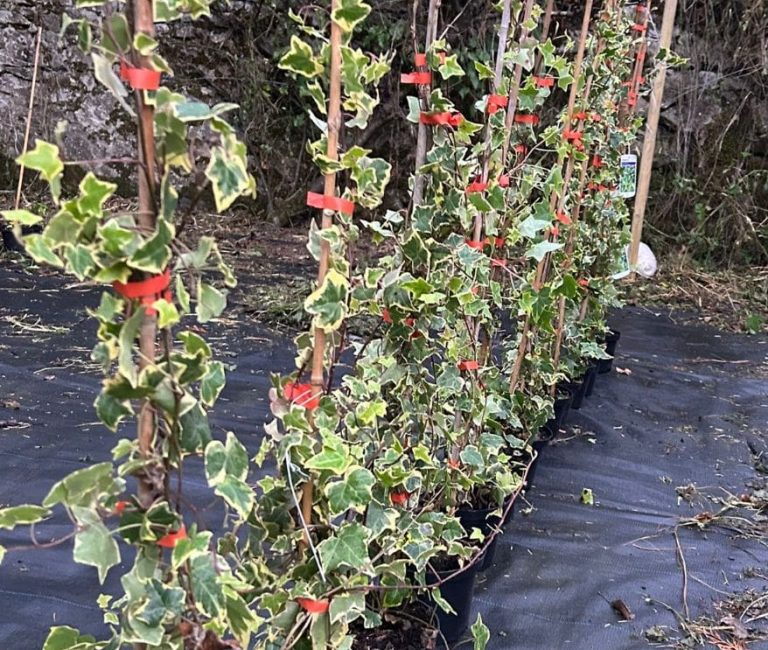
Wisteria sinensis – Plant Description & Care Guide
Common Name: Chinese Wisteria
Botanical Name: Wisteria sinensis
Type: Deciduous climbing vine
Family: Fabaceae
Bloom Time: Late spring to early summer
Flower Color: Violet to lilac (fragrant)
Plant Description:
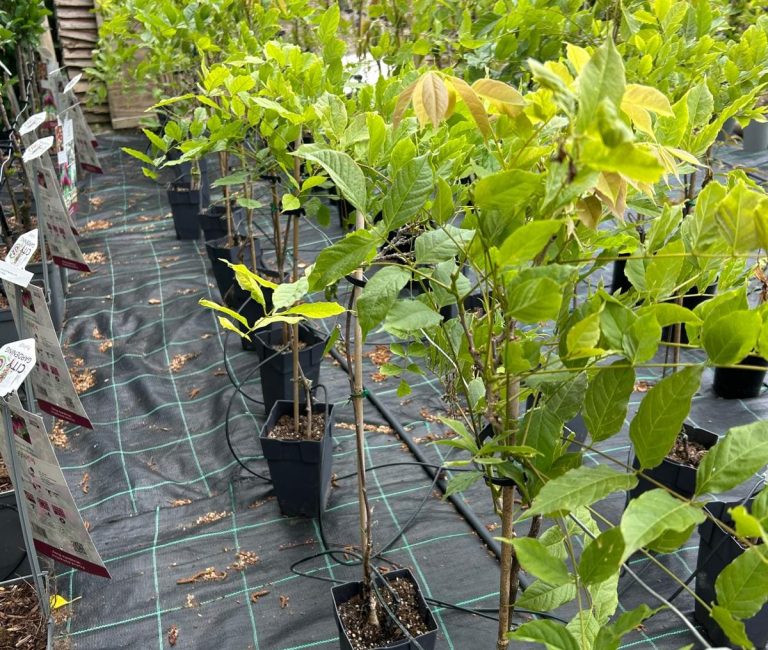
Wisteria sinensis is a fast-growing, twining climber prized for its dramatic, cascading clusters of fragrant lilac to violet flowers that bloom in late spring, often before the leaves appear. The flowers are produced in long racemes, typically 20–30 cm, creating a stunning waterfall effect on pergolas, walls, or fences.
The foliage consists of elegant, pinnate leaves that emerge bronze in spring, mature to fresh green in summer, and turn golden yellow in autumn. With the right support and pruning, this wisteria can become a long-lived centerpiece in any garden.
Ideal Uses:
-
Pergolas, arches & trellises for a classic, romantic look
-
Wall coverings for buildings or garden structures
-
Cottage gardens & courtyards
-
Perfect for feature entrances and fragrant walkways
-
Adds height, shade, and seasonal drama
Care Instructions:
☀️ Light:
Soil:
-
Prefers moist, well-drained fertile soil
-
Performs best in neutral to slightly acidic soil
-
Avoid waterlogged or chalk-heavy ground
Watering:
-
Water deeply during dry spells, especially in the first few years
-
Once established, it’s moderately drought tolerant
✂️ Pruning:
Support:
-
Requires strong support — ideal for pergolas, fences, and wires
-
Twines anticlockwise (counterclockwise), unlike Japanese Wisteria
❄️ Hardiness:
Wildlife Benefit: