Thuja plicata ‘Atrovirens’ – Description, Planting, Care & Biodiversity Guide
Common Name: Western Red Cedar ‘Atrovirens’
Botanical Name: Thuja plicata ‘Atrovirens’
Type: Evergreen conifer; fast-growing hedge or specimen tree
Height & Spread (10–20 years): 5–10m high, 1–3m wide (can be clipped to desired height)
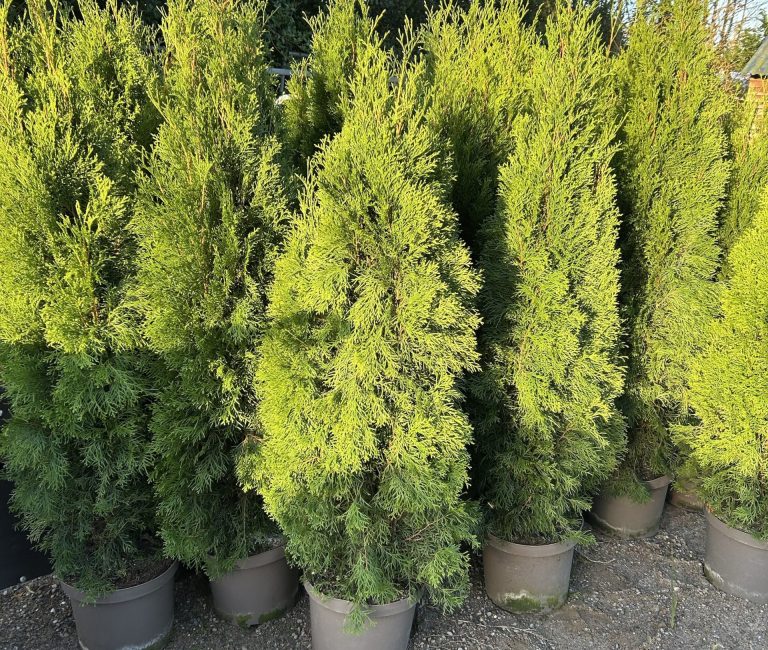
Foliage: Glossy dark green, aromatic, scale-like foliage
Ideal For: Dense evergreen hedging, privacy screens, windbreaks, wildlife gardens
Plant Description:
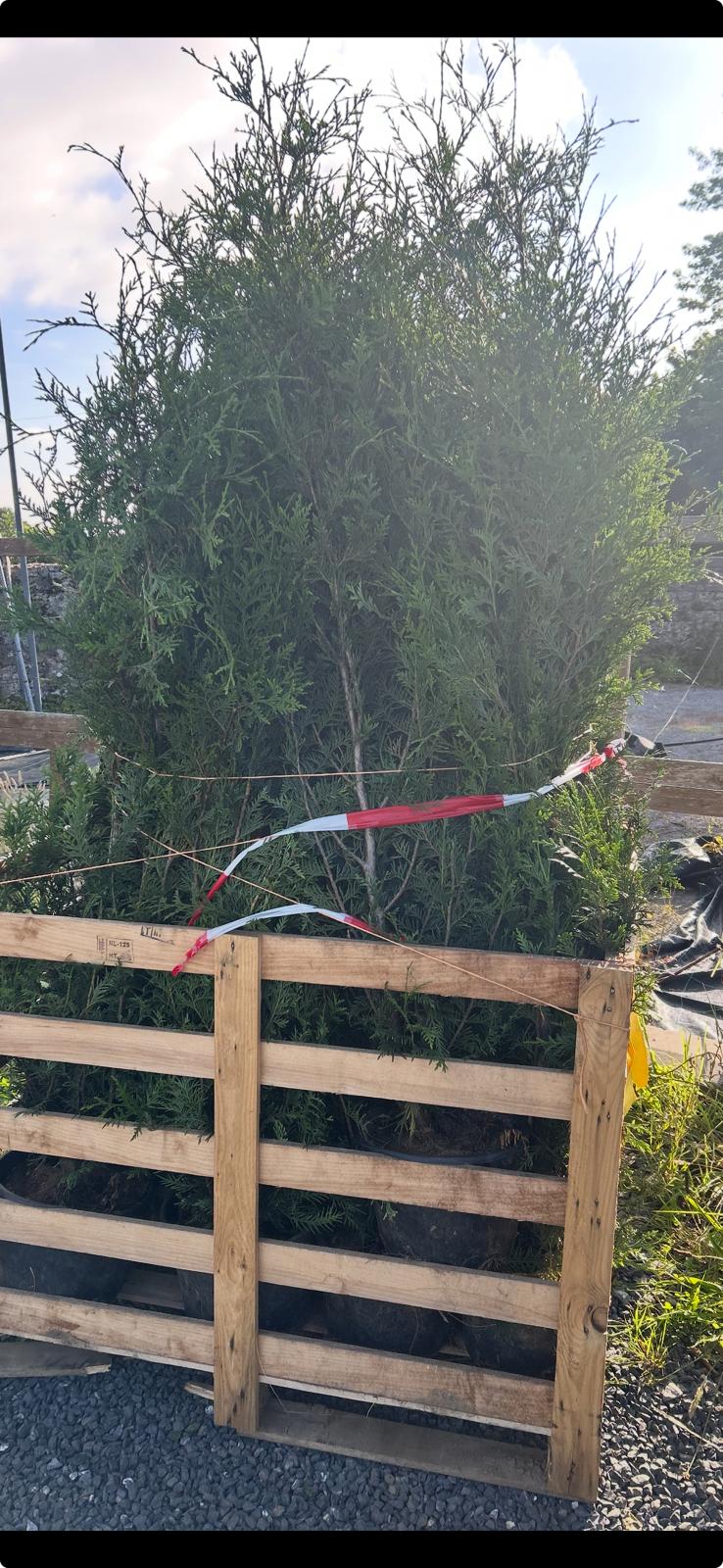
Thuja plicata ‘Atrovirens’, also known as Western Red Cedar, is a fast-growing, evergreen conifer prized for its rich green foliage, dense growth, and natural conical form. Its foliage is aromatic when crushed and retains colour year-round, making it a popular alternative to Leylandii for formal and informal hedging.
‘Atrovirens’ is especially noted for its deep green, lush foliage, excellent response to clipping, and strong adaptability to IE climates. It’s ideal for creating a quick, tall privacy screen or sound barrier, while also offering valuable habitat for native wildlife.
Planting Instructions:
Care Guide:
Watering:
✂️ Pruning:
Feeding:
❄️ Hardiness:
Biodiversity & Wildlife Benefits:
-
Provides valuable nesting and roosting sites for birds such as blackbirds, robins, and finches
-
Offers dense shelter for small mammals like hedgehogs
-
Aromatic foliage can deter some garden pests
-
Evergreen structure provides winter cover and thermal refuge for insects
-
When mature, cones attract seed-eating birds and insects
✅ Why Choose Thuja ‘Atrovirens’?
-
Fast-growing alternative to Leylandii
-
Ideal for high hedging, windbreaks, or boundary screens
-
Low maintenance with good response to pruning
-
Retains rich green colour all year
-
Provides habitat and protection for native wildlife
-
Suitable for both urban gardens and rural properties