Rosa Canina Bareroot: Embrace the Beauty of Wild Roses
Commonly known as dog rose or wild rose, is a species of rose native to Europe, North Africa, and parts of Asia. It’s a versatile and hardy plant known for its beautiful flowers, attractive fruits (rose hips), and various uses. Here’s a description, information on its usage, and care guidelines:
Description:
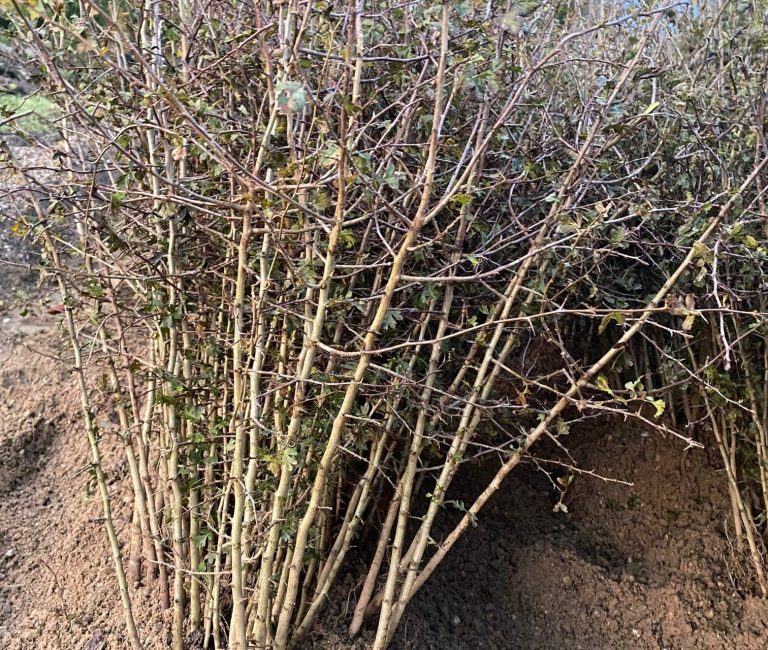
Appearance: Rosa canina is a deciduous shrub that can reach a height of 1-5 meters (3-16 feet) and has a spreading, arching growth habit. It has thorny stems that produce alternate pinnate leaves with serrated edges.
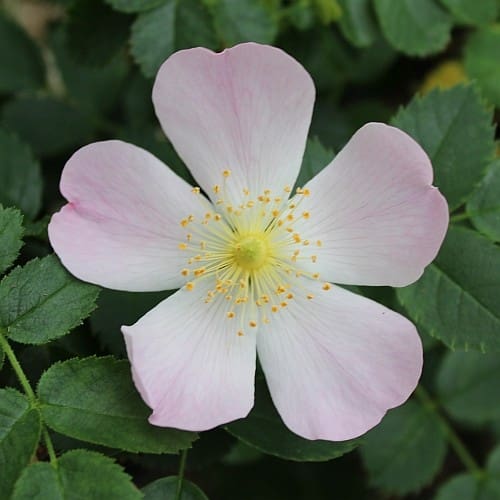
Flowers: The flowers are usually pink or white, with five petals and a yellow center. They bloom in late spring to early summer, creating an attractive display.
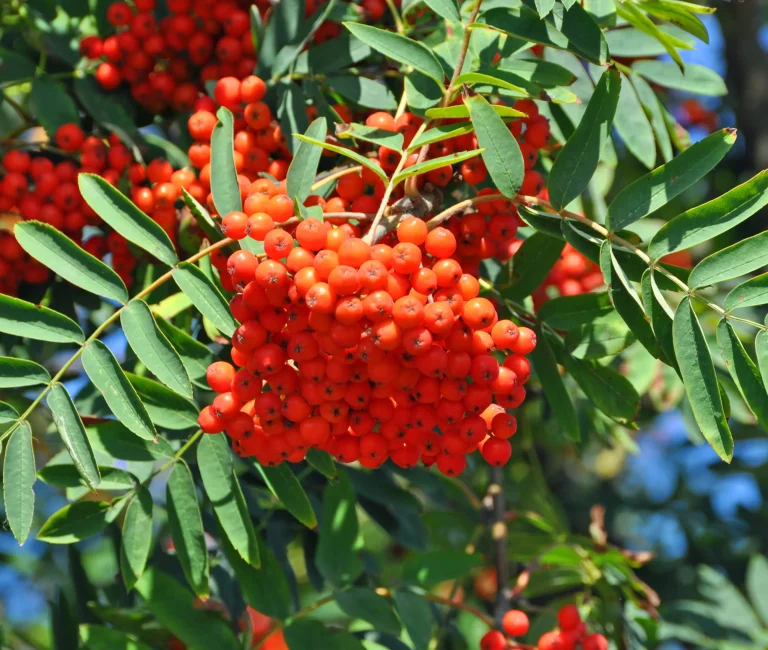
Fruits (Rose Hips): After the flowers fade, rose hips develop. These are small, round to oval, red or orange fruits that are rich in vitamins and are often used for various purposes.
Habitat: Rosa canina is often found in hedgerows, woodlands, and open areas. It’s known for its ability to thrive in various soil types.
Usage of Wild Rose Bareroot:
Ornamental Plant: Dog rose is cultivated for its ornamental value, particularly its attractive flowers during the blooming season.
Wildlife Support: The rose hips of Rosa canina are a valuable food source for birds and various wildlife species.
Medicinal Uses: Rose hips are high in vitamin C and antioxidants, making them popular for making herbal teas, jams, and supplements. They are believed to have immune-boosting and health-promoting properties.
Cosmetic and Skincare: Rose hip oil, extracted from the seeds of the rose hips, is used in skincare products due to its moisturizing and rejuvenating properties.
Erosion Control: The dense growth habit of Rosa canina can help prevent soil erosion, making it suitable for stabilizing slopes.
Essential Care Guidelines for Flourishing Rosa Canina:
Planting: Choose a sunny to partially shaded location with well-draining soil. Plant in spring or autumn, and provide enough space for the shrub to spread.
Watering: Water newly planted dog rose regularly to establish a strong root system. Once established, it’s moderately drought-tolerant.
Pruning: Prune in late winter or early spring to remove dead or diseased wood and to shape the shrub. Be cautious of the thorns while pruning.
Fertilization: While Rosa canina can grow in nutrient-poor soils, applying a balanced fertilizer in spring can encourage healthy growth and flowering.
Mulching: Apply a layer of organic mulch around the base of the shrub to retain moisture, suppress weeds, and improve soil quality.
Pest and Disease Management: Keep an eye out for common rose pests like aphids and diseases like powdery mildew. Treat as needed with appropriate methods.
Propagation: Dog roses can be propagated through seeds, cuttings, or layering.
Delivery Times Ireland 3-5 working days