Common Name: Flowering Currant ‘King Edward VII’ Family: Grossulariaceae Type: Deciduous flowering shrub Origin: Native to North America; this variety is cultivated for ornamental use
Plant Description:
Height & Spread: Grows to 1.5–2 meters tall and wide
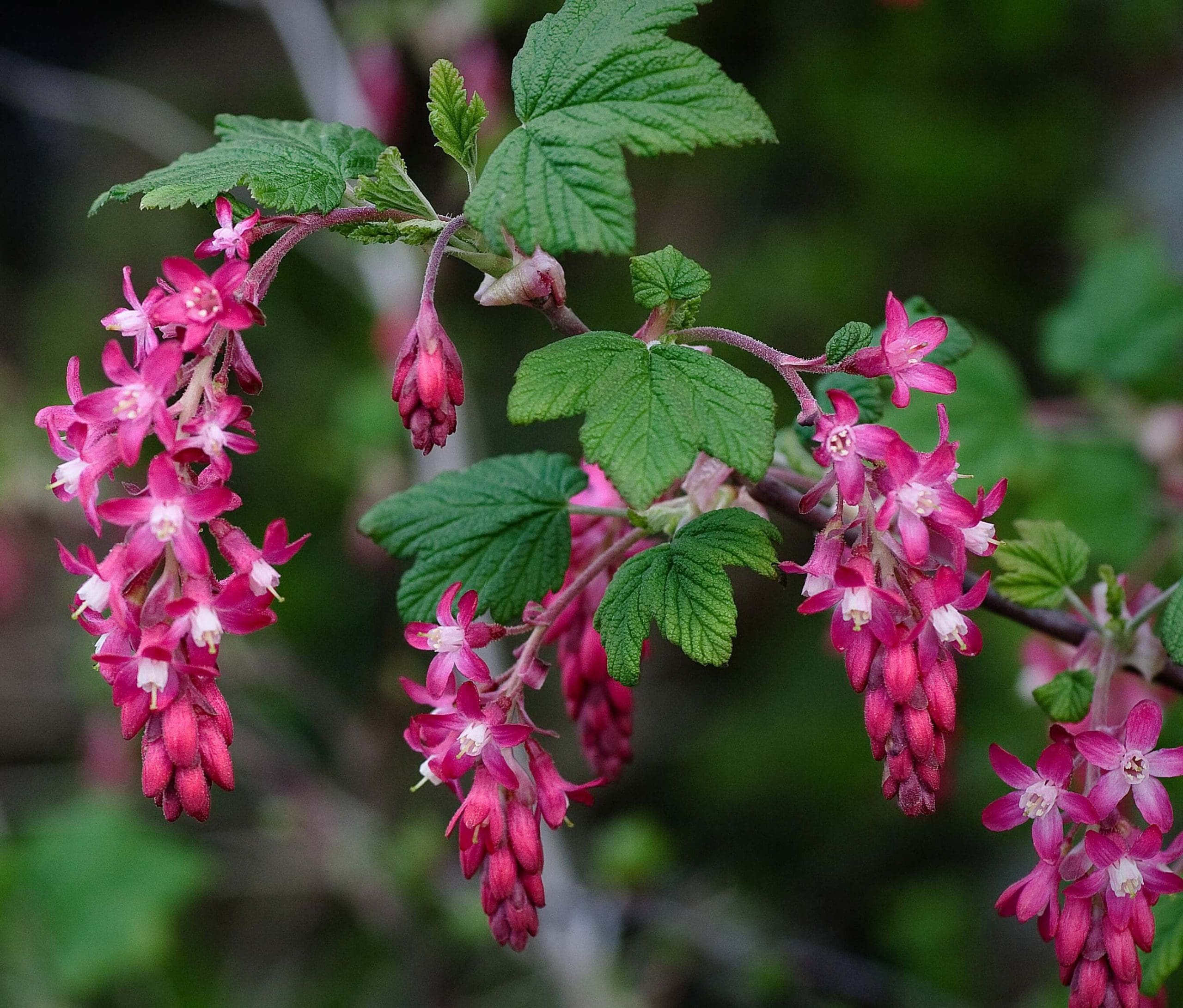
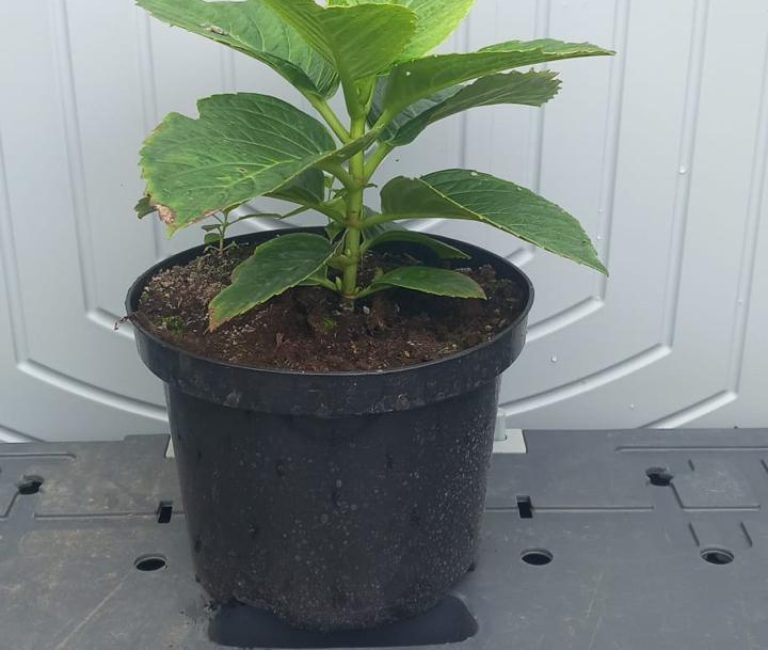
Foliage: Deep green, lobed leaves with a slightly aromatic scent when crushed
Flowers: Striking deep crimson-red flowers in drooping clusters (racemes), blooming from March to April
Fruit: Small blue-black berries may follow in summer (mildly toxic to humans if consumed)
Growth Habit: Upright, bushy shrub with a rounded form
Deciduous: Loses its leaves in autumn, but makes a vibrant return in spring
Usage:
Ornamental Shrub: Ideal for adding early spring color to gardens
Wildlife Friendly: Attracts bees, butterflies, and other pollinators
Hedging & Screening: Can be planted as an informal hedge or privacy screen
Cottage & Wildlife Gardens: Perfect for naturalistic or informal planting schemes
Mixed Borders: Great companion for other spring-flowering shrubs and perennials
Low Maintenance Landscaping: Popular in public gardens and urban landscapes
Care Instructions:
☀️ Light Requirements:
Prefers full sun but tolerates light shade
Flowering is more prolific with more sun exposure
Soil Preferences:
Grows well in well-drained, fertile soil
Tolerates clay, loam, or sandy soil
Avoid very dry or waterlogged locations
Watering:
Water regularly during the first growing season
Once established, it is moderately drought-tolerant
✂️ Pruning:
Prune immediately after flowering (late spring)
Remove 1/3 of the oldest stems to the base to encourage new growth
Light shaping keeps the plant compact and tidy
❄️ Hardiness:
Fully hardy in the UK and most temperate regions (USDA zones 5–8)
Pests & Diseases:
Generally pest-free
May occasionally suffer from powdery mildew or leaf spot in damp, shaded conditions