Ribes sanguineum ‘King Edward VII’ Plant Description
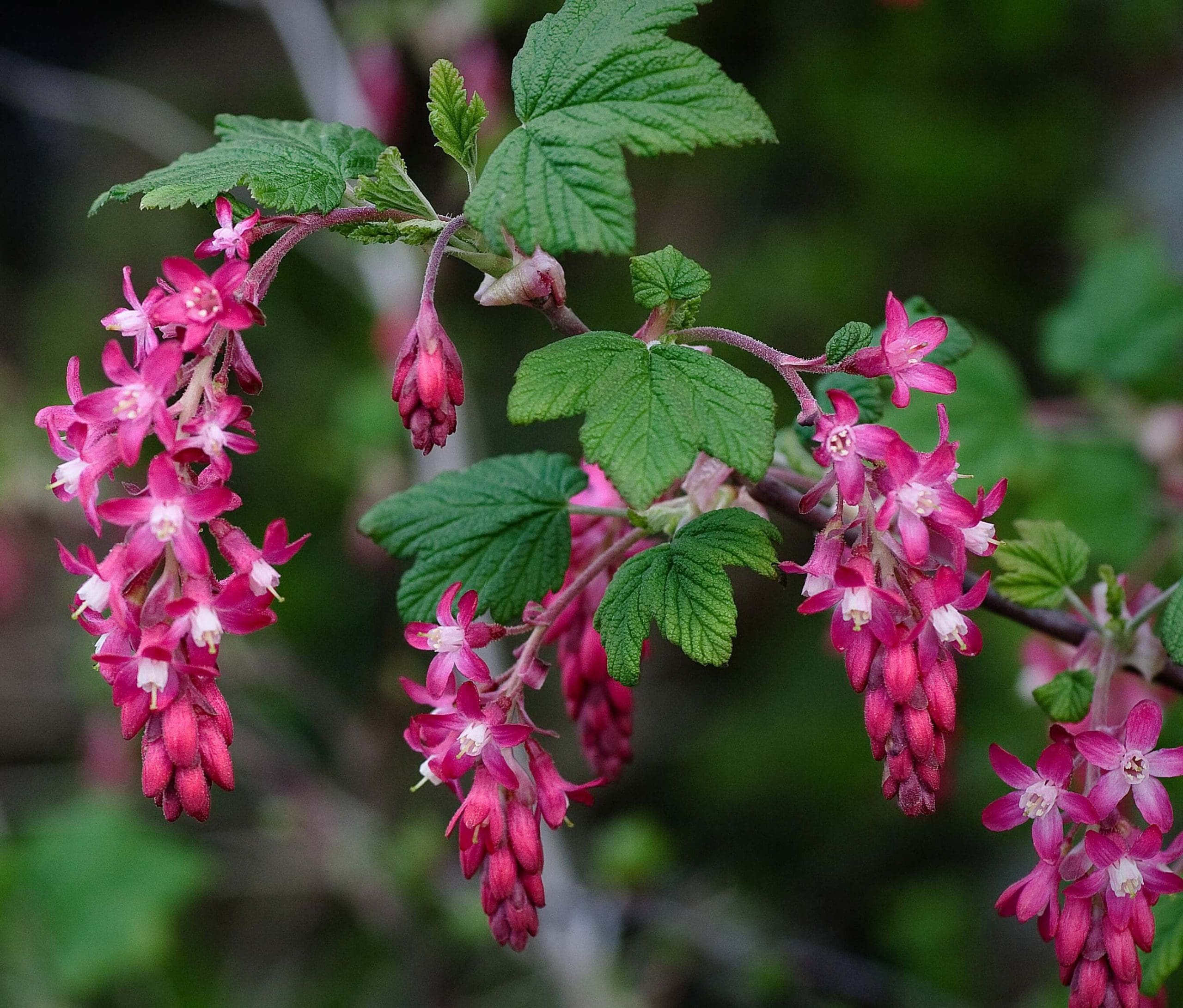
Overview: Ribes sanguineum ‘King Edward VII’, commonly known as Flowering Currant, is a deciduous shrub prized for its striking red flowers and early spring bloom. It is a hardy and easy-to-grow plant, ideal for adding a burst of color to borders, woodland gardens, or wildlife-friendly landscapes. This cultivar, ‘King Edward VII’, is known for its deep crimson-red flowers, which are more vibrant than the species.
Key Characteristics of Ribes sanguineum ‘King Edward VII’:
Growth Habit:
Size and Spread: Reaches a height of 5-7 feet (1.5-2.1 meters) and a similar spread, forming a bushy, upright shape.
Growth Rate: Moderate growth rate, with strong branching and a natural rounded form, requiring minimal pruning.
Foliage:
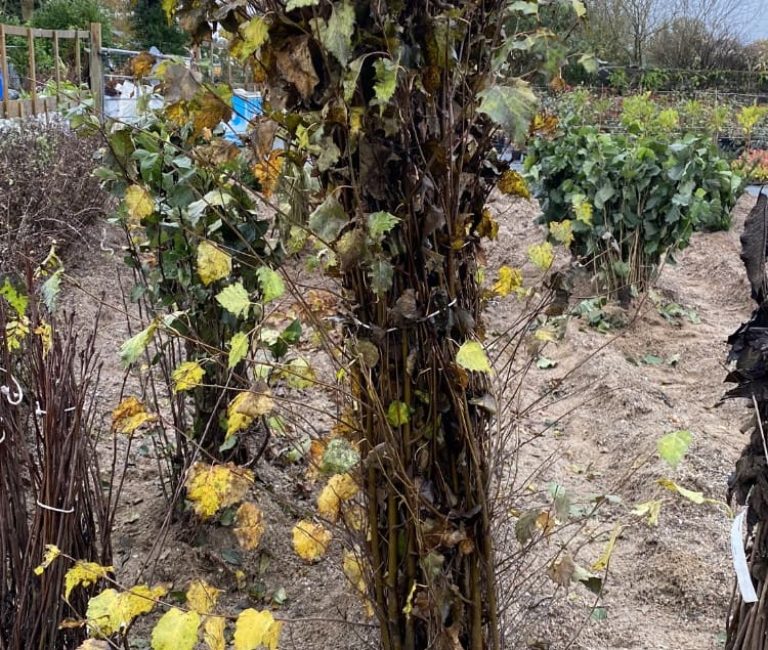
Type: Deciduous, shedding leaves in autumn to return with fresh green foliage in early spring.
Leaf Appearance: The leaves are lobed, resembling maple leaves, and are soft green. When crushed, they emit a faint, spicy fragrance.
Seasonal Interest: Attractive foliage emerges in spring, followed by rich autumnal shades before falling in late autumn.
Flowers:
Bloom Time: One of the earliest flowering shrubs, it blooms from early to mid-spring (March to April), adding vibrant color to the garden.
Flower Appearance: Bright crimson-red flowers appear in pendulous clusters (racemes) up to 2-3 inches (5-8 cm) long. These clusters of tubular flowers are highly attractive to bees and other pollinators.
Fragrance: The flowers have a light fragrance, adding another layer of sensory appeal.
Fruit:
Appearance: After flowering, small, dark purple-black berries form in late summer. These berries are edible but not particularly flavorful for humans, though birds enjoy them.
Sunlight and Soil Requirements:
Light: Thrives in full sun to partial shade. More flowers will appear in full sun, but it also tolerates light shade.
Soil: Prefers well-drained soil, though it is adaptable to a variety of soil types, including clay, loam, and sandy soils. It does best in moist, fertile soils but can handle dry periods once established.
Hardiness and Climate:
Hardiness Zones: It tolerates frost and can handle late winter chills without damaging buds.
Drought Tolerance: Once established, it has moderate drought tolerance, though regular watering during dry spells will improve flowering and overall health.
Maintenance and Care:
Pruning: Prune after flowering to maintain shape and encourage healthy growth. Removing older wood will help to promote more prolific blooming in the following season.
Watering: Regular watering is needed when establishing, but it can become more drought-tolerant over time.
Feeding: An annual application of compost or a balanced fertilizer in spring will support vigorous growth.
Pests and Diseases:
Pest Resistance: Generally free from serious pests but can occasionally attract aphids or scale. Regular checks and treatment as needed will keep these under control.
Disease Resistance: Susceptible to powdery mildew, especially in humid conditions, so good air circulation around the plant is important.
Landscape Uses:
Borders and Shrubberies: Perfect for mixed borders, shrubbery, or cottage gardens where it adds early spring color.
Wildlife Gardens: Attracts pollinators, including bees, and birds that enjoy the berries later in the season.
Informal Hedges: Can be used as part of an informal hedge or screen due to its dense growth.
Conclusion: Ribes sanguineum ‘King Edward VII’ is a standout ornamental shrub with early crimson blooms that bring a splash of color to gardens just as winter ends. Its ease of care and wildlife-friendly attributes make it a popular choice for gardeners looking to create a lively, nature-friendly space.