Ligustrum vulgare (Common Privet) – Description, Planting, Care & Biodiversity Guide
Botanical Name: Ligustrum vulgare
Common Name: Common Privet
Type: Semi-evergreen to deciduous shrub
Height & Spread: 3–4 m tall × 2–3 m wide (can be clipped smaller)
Growth Rate: Fast-growing
Uses: Hedging, screening, topiary, wildlife-friendly planting
Plant Description
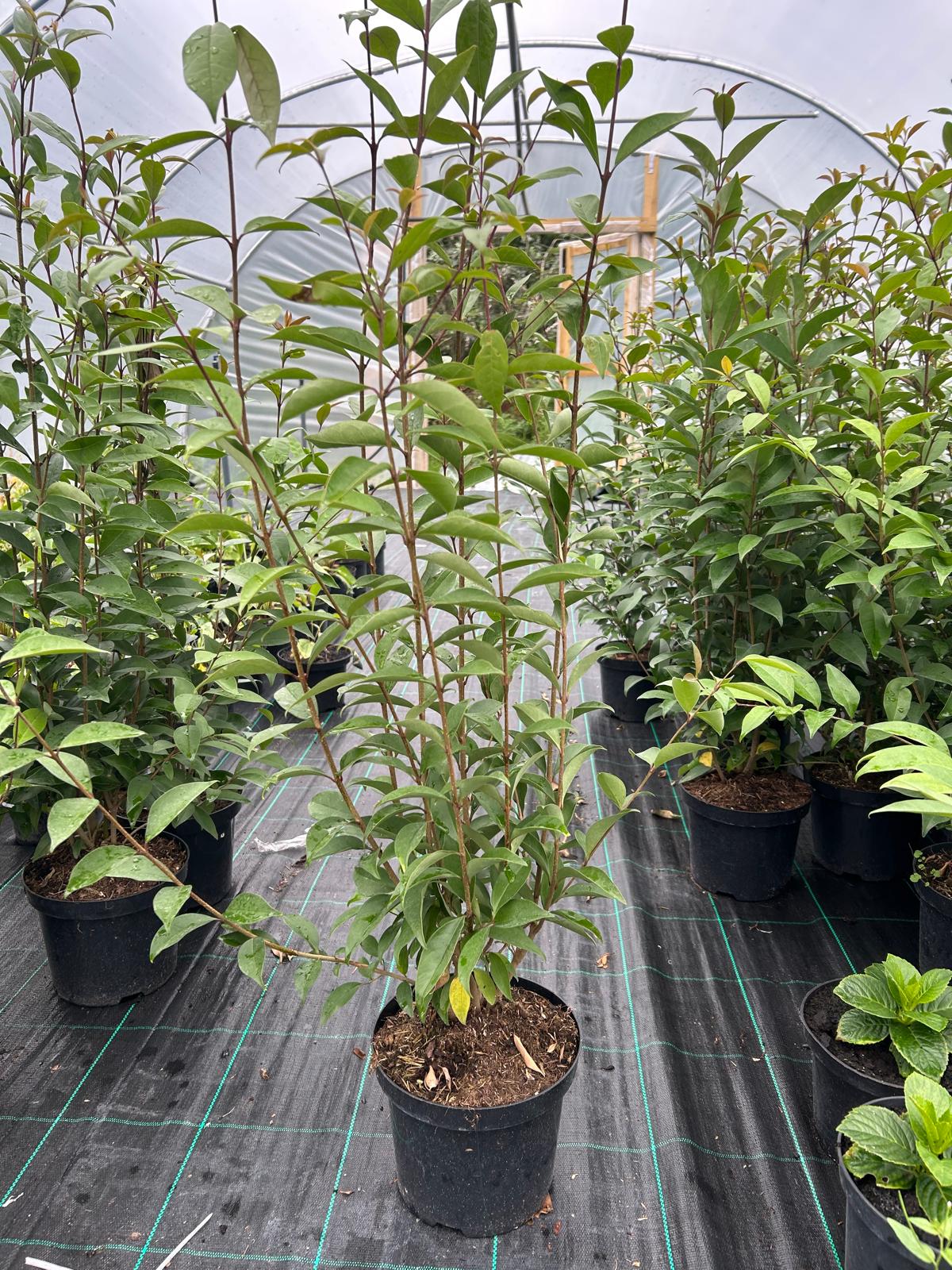
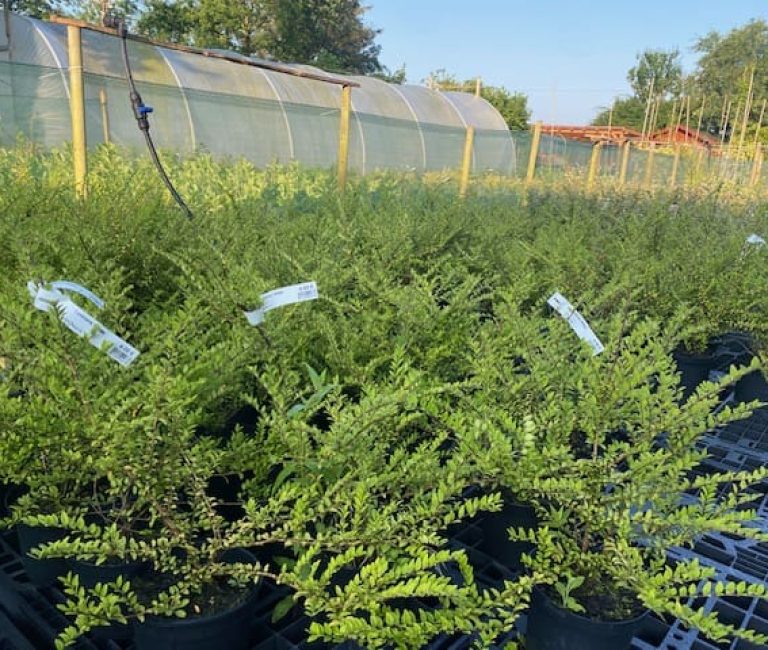
Ligustrum vulgare, or Common Privet, is a traditional hedging shrub native to Europe. Known for its small oval leaves and dense branching, it forms an excellent privacy hedge when clipped. In summer, clusters of white, fragrant flowers appear, followed by small black berries in autumn.
Privet is highly tolerant of pollution, drought, and poor soils, making it a favourite for urban and rural gardens alike.
Planting Instructions
-
Best Time to Plant: Autumn to spring (bareroot season) or year-round from pots
-
Position: Sun or partial shade (tolerates shade well)
-
Soil: Adaptable – grows in chalk, clay, loam, or sandy soils; prefers well-drained ground
-
Spacing for Hedges:
Planting Steps:
-
Prepare soil by digging over and removing weeds.
-
Soak roots before planting (if bareroot).
-
Plant to the same depth as grown previously.
-
Water thoroughly and mulch to keep roots cool and moist.
Care Guide
-
Watering: Keep well-watered during the first year. Once established, drought-tolerant.
-
Pruning: Clip 2–3 times a year (spring through late summer) to maintain dense form. Responds well to hard pruning if rejuvenation is needed.
-
Feeding: Use a balanced fertiliser in early spring to boost growth.
-
Hardiness: Fully hardy in the UK & Ireland.
Biodiversity Benefits
-
Flowers: Sweetly scented white flowers attract bees, hoverflies, and butterflies.
-
Berries: Black berries (toxic to humans) are an important food source for birds.
-
Foliage: Provides nesting cover and shelter for small birds and insects.
-
Wildlife Value: Excellent hedging plant for biodiversity corridors.
✅ Why Choose Ligustrum vulgare?
-
Fast-growing hedge for quick privacy
-
Hardy and low-maintenance
-
Tolerates pollution (great for urban hedges)
-
Supports pollinators and birdlife
-
Traditional choice for country gardens and wildlife-friendly landscapes