Prunus laurocerasus (Cherry Laurel)
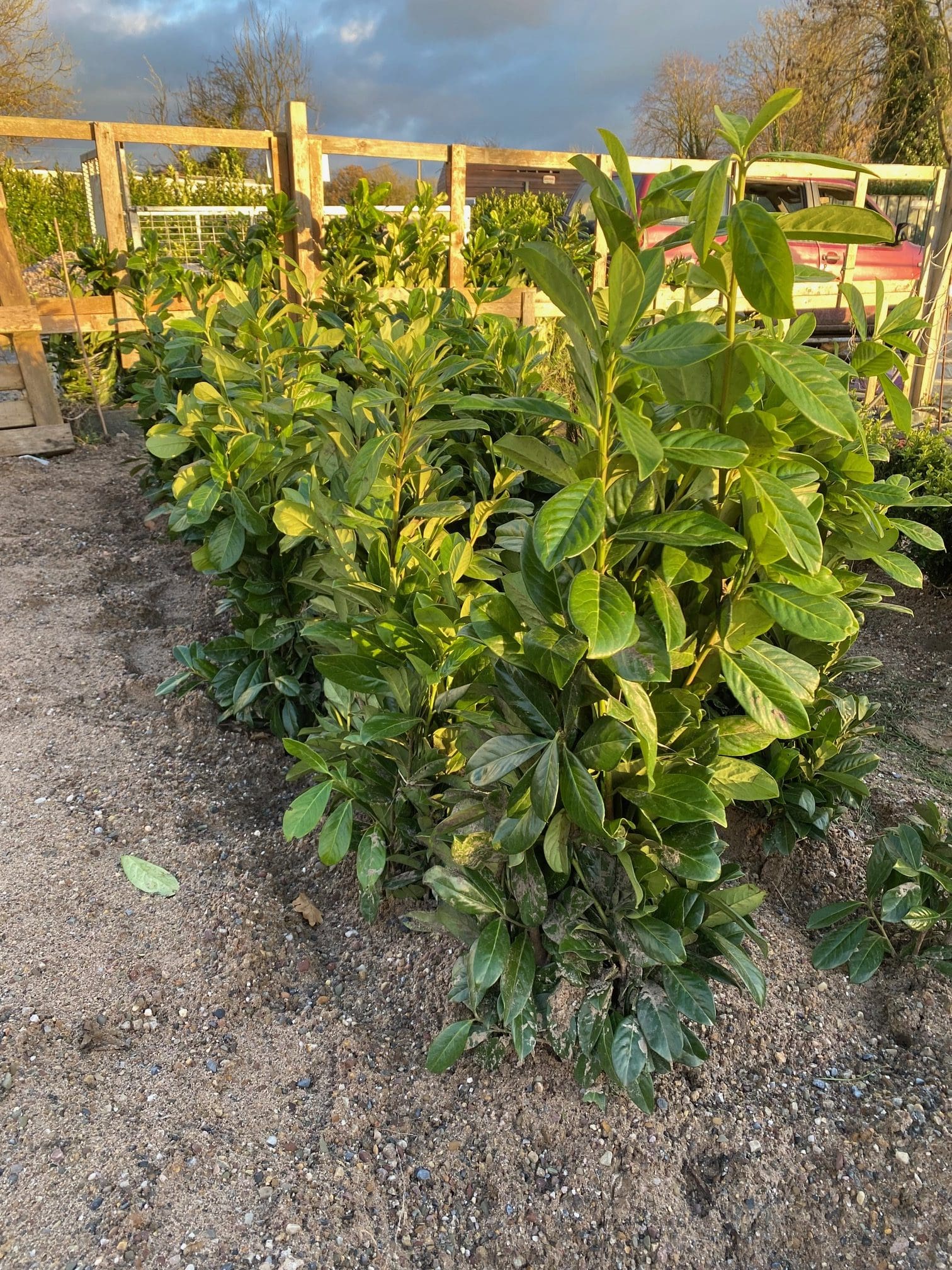
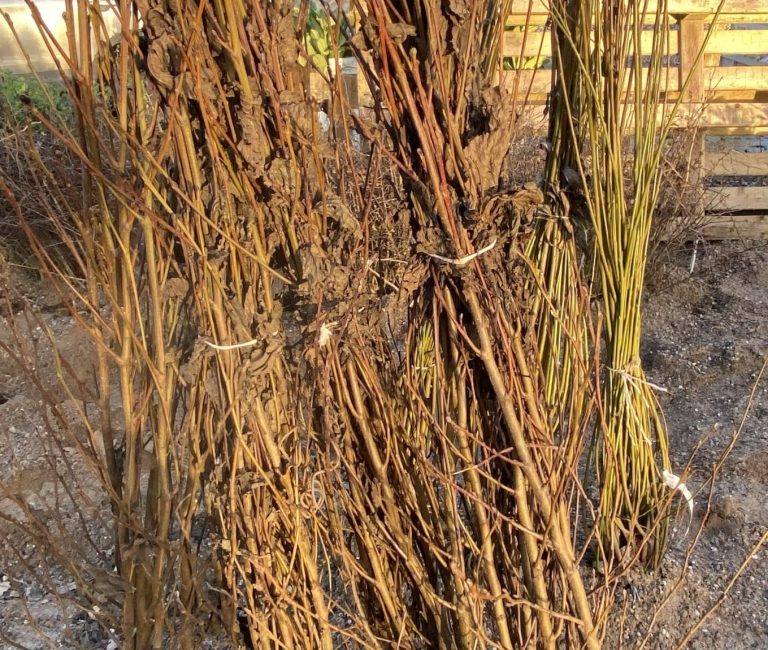
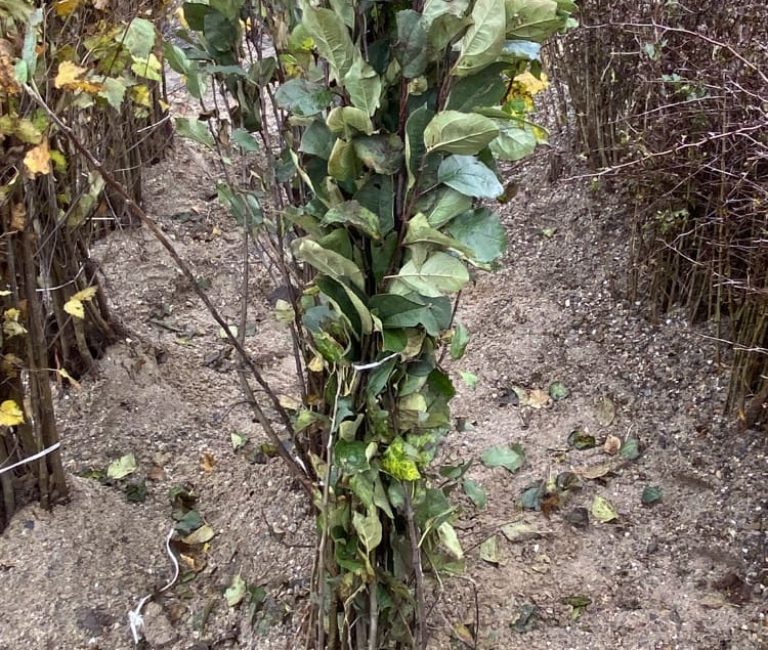
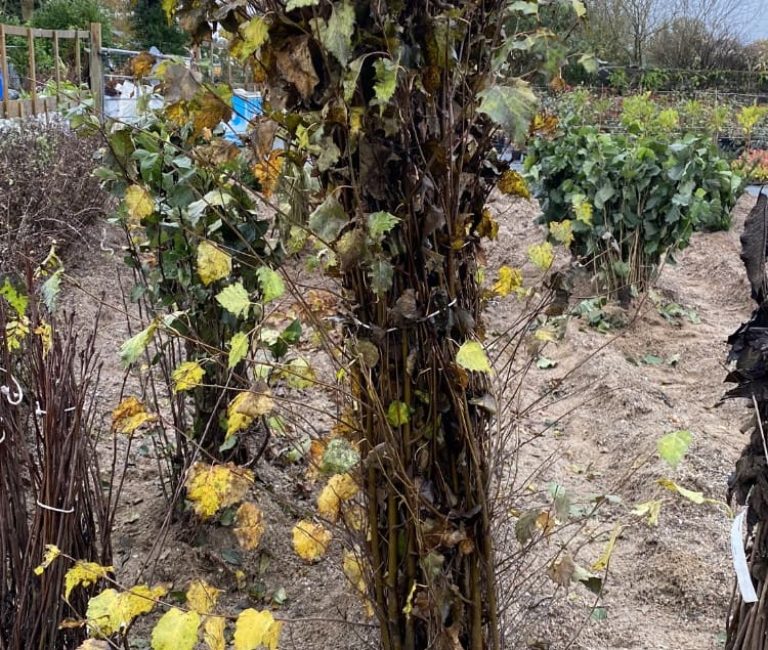
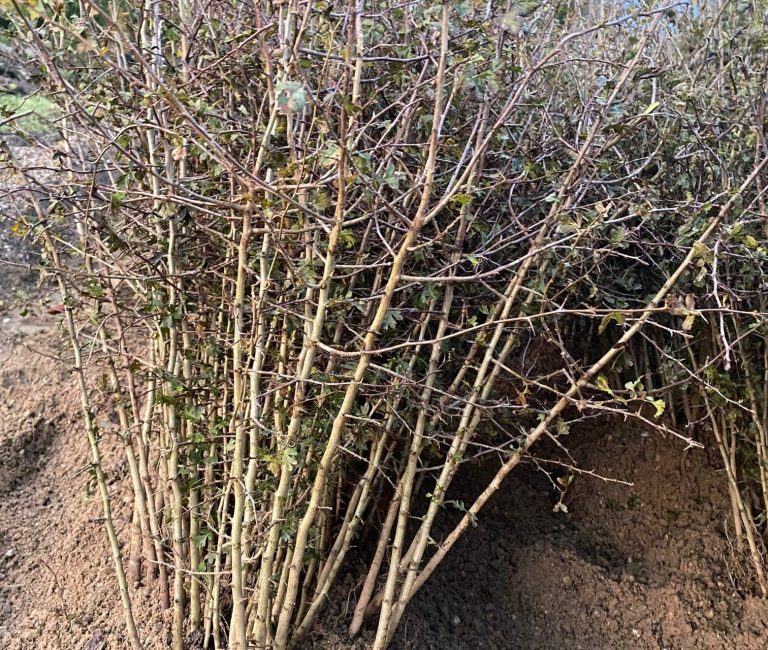
Overview: Prunus laurocerasus, commonly known as Cherry Laurel, is a hardy and fast-growing evergreen shrub or small tree. It is widely used for hedging due to its dense foliage, vigorous growth, and ability to thrive in a variety of conditions. As a bare-root plant, Cherry Laurel is an economical and effective option for creating privacy screens, windbreaks, or large hedges.
Key Characteristics of Prunus laurocerasus Bare-Root:
Growth Habit:
Size and Spread: Grows to a height of 15-20 feet (4.5-6 meters) with a spread of 10-15 feet (3-4.5 meters). It can be easily trimmed to maintain a smaller size.
Growth Rate: Fast-growing, with annual growth of up to 1-2 feet (30-60 cm) under optimal conditions.
Foliage:
Type: Evergreen, ensuring year-round privacy and greenery.
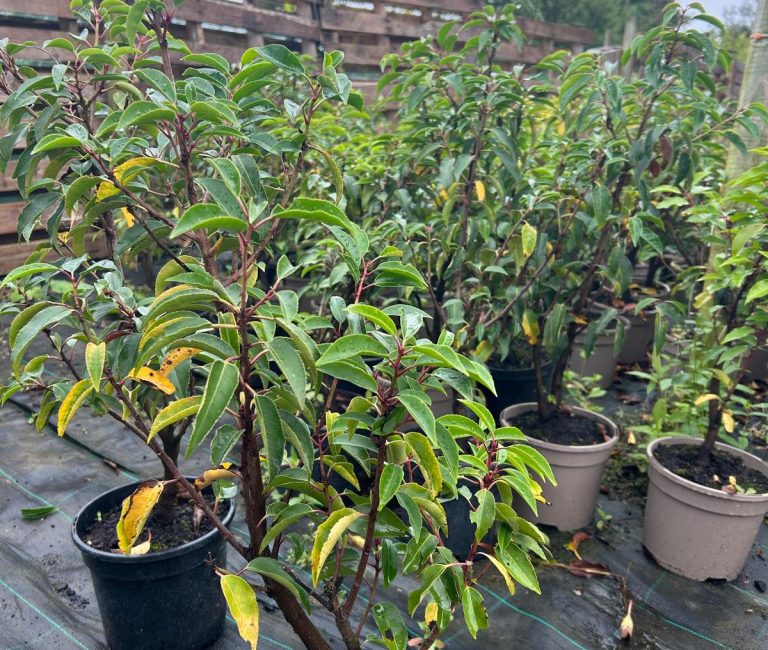
Leaf Appearance: The leaves are large, glossy, and dark green, up to 6 inches (15 cm) long. Their leathery texture and rich color provide a striking visual appeal.
Seasonal Interest: Maintains its lush appearance throughout the year, providing structure and color in the garden during all seasons.
Flowers and Fruit:
Flowers: Small, fragrant, creamy-white flowers appear in upright racemes during late spring (April-May). These flowers attract pollinators, such as bees and butterflies.
Fruit: After flowering, small black berries form, which are attractive to birds but should be kept away from children and pets due to toxicity.
Sunlight and Soil Requirements:
Light: Thrives in full sun to partial shade but can tolerate deep shade, making it ideal for difficult garden spots.
Soil: Prefers well-drained, fertile soil but can adapt to a wide range of soil types, including clay, loam, and sandy soils. Tolerant of urban pollution, it performs well in city environments.
Hardiness and Climate:
Hardiness: it can withstand cold winters and is also tolerant of heat and drought once established.
Drought Tolerance: After establishing its roots, the Cherry Laurel is relatively drought-tolerant, making it suitable for low-maintenance gardens.
Maintenance and Care:
Pruning: Regular pruning in late spring or early summer will help maintain its shape and encourage denser growth. Pruning can also control its size if used for hedging.
Watering: Requires regular watering, especially when newly planted. Once established, it requires less frequent watering.
Fertilizing: Apply a balanced, slow-release fertilizer in spring to encourage healthy growth.
Pests and Diseases:
Pest Resistance: Generally resistant to most pests, though it can occasionally suffer from scale insects or aphids. It is also deer-resistant, which makes it ideal for areas where deer are prevalent.
Disease Resistance: Prunus laurocerasus is relatively disease-resistant, though it may develop root rot in poorly drained soils.
Landscape Uses:
Hedging and Screening: Ideal for creating tall, dense hedges for privacy or windbreaks due to its fast growth and evergreen nature.
Foundation Planting: Its dense foliage and attractive leaves make it a good choice for foundation planting around homes and buildings.
Wildlife Gardens: Attracts pollinators with its flowers and birds with its berries.
Conclusion: Prunus laurocerasus bare-root plants are an excellent, budget-friendly option for anyone looking to establish a quick-growing, evergreen hedge or screen. With its year-round foliage, tolerance of a wide range of conditions, and low-maintenance care, it is a popular choice for both gardeners and landscapers alike.