Alnus glutinosa (Common Alder) – Specifications, Planting, and Care Guide
Botanical Name: Alnus glutinosa
Common Names: Common Alder, Black Alder, European Alder
Type: Deciduous tree
Height: Can reach 50 to 80 feet (15 to 25 meters) at maturity.
Spread: Typically has a spread of 25 to 35 feet (8 to 11 meters).
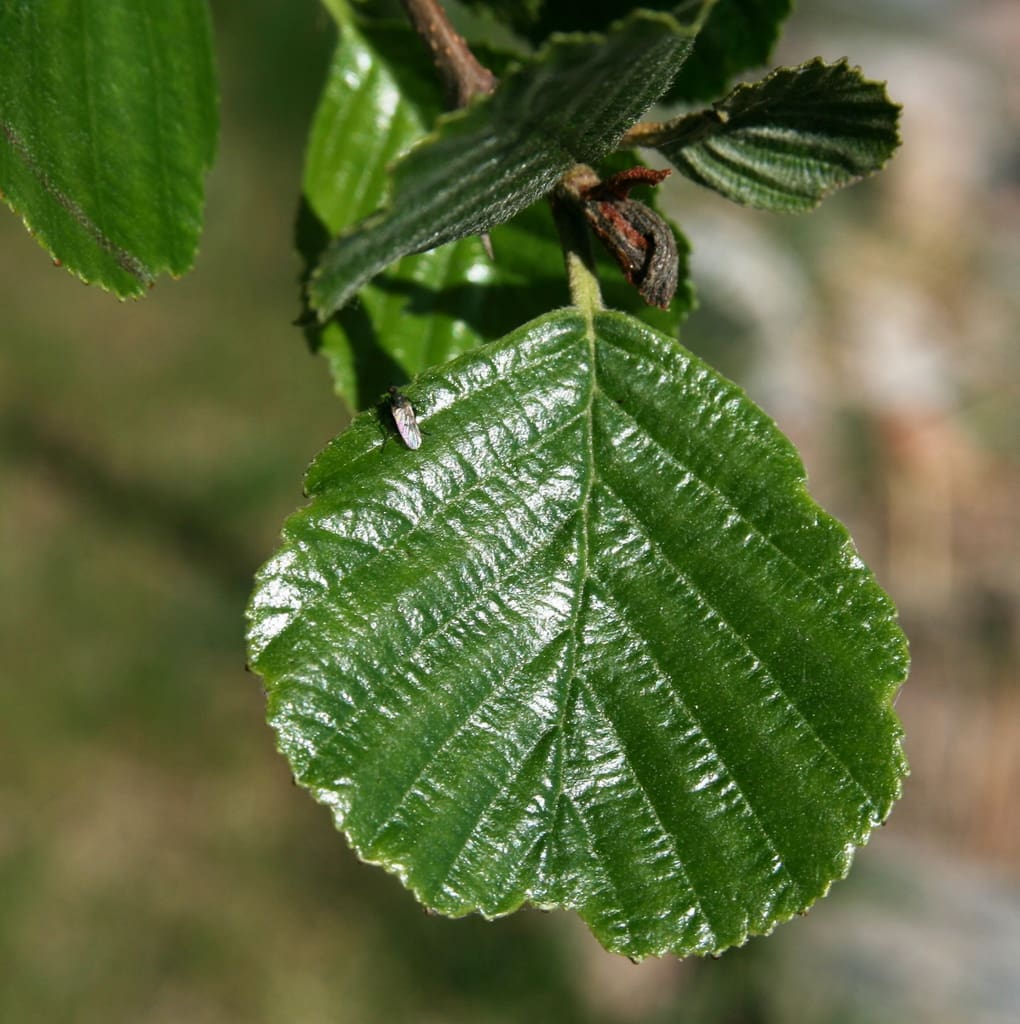
Foliage: Dark green, glossy leaves that are ovate and serrated.
Flowers: Catkins in early spring, followed by small cones.
Soil Requirements: Well-drained soil; tolerant of wet or waterlogged conditions.
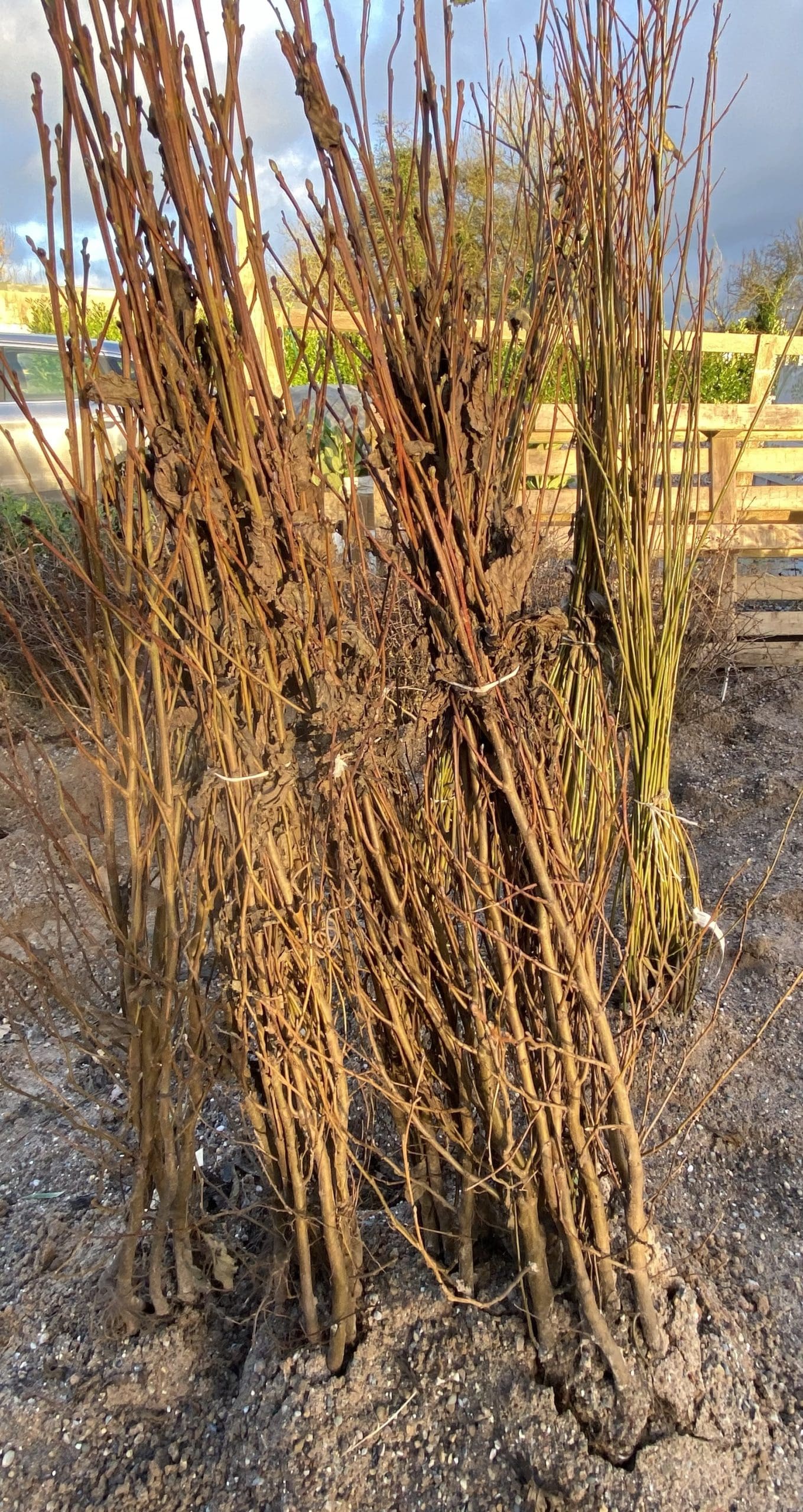
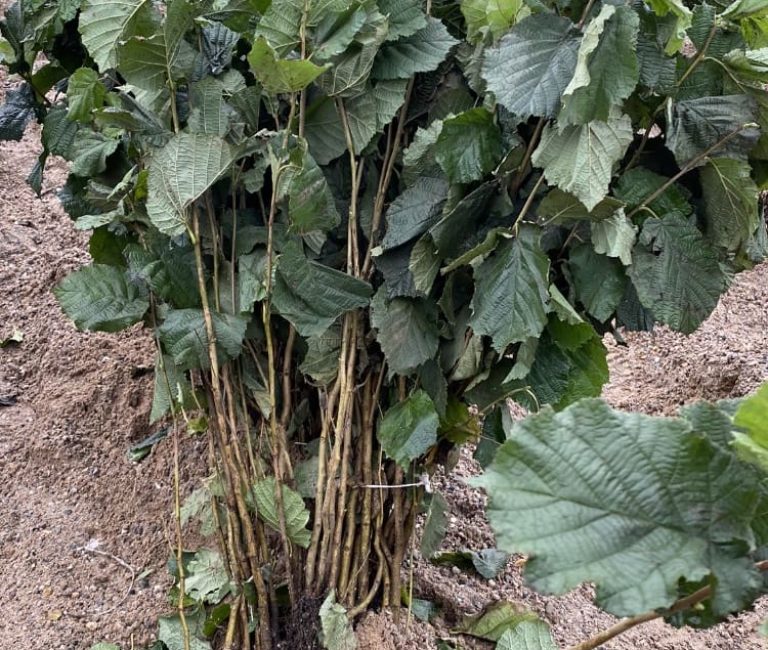
Planting Alnus glutinosa bareroot tree (Common Alder)
Timing: Plant in late fall or early spring when the tree is dormant.
Location: Choose a site with full to partial sunlight. Alnus glutinosa is well-suited to damp or waterlogged soils, making it ideal for areas prone to flooding or damp conditions.
Soil Preparation: Ensure the soil is well-draining. Incorporate organic matter if the soil is heavy clay. Alnus glutinosa is adaptable to a variety of soil types.
Planting Depth: Plant at the same depth as it was in the nursery container or slightly higher.
Spacing: Provide ample space between trees, considering their mature size.
Watering: Keep the soil consistently moist, especially during the first year of establishment. Once established, the Common Alder is tolerant of periodic flooding.
Mulching: Apply a layer of mulch around the base of the tree to conserve moisture and suppress weeds.
Staking: Young trees may benefit from staking for support, especially in windy locations.
Care Alnus glutinosa bareroot tree (Common Alder)
Pruning: Prune to remove dead or damaged branches. Shape the tree as desired, but avoid heavy pruning as it can stimulate vigorous growth.
Fertilizing: Generally, Alnus glutinosa doesn’t require heavy fertilization. However, a balanced fertilizer in early spring can be beneficial, especially in nutrient-poor soils.
Pest and Disease Control: The Common Alder is generally resistant to pests and diseases. Monitor for aphids or caterpillars and treat if necessary. Proper site selection and care can prevent many issues.
Support Wildlife: Encourage the ecological benefits of the tree by allowing some fallen leaves and branches to remain as habitat for insects and other wildlife.
Erosion Control: If planted for erosion control, regular monitoring and maintenance may be needed to ensure its effectiveness.
Water Management: While tolerant of wet conditions, ensure good drainage to prevent root rot. Water during dry periods, especially in the first few years of growth.
Delivery Times Ireland 3-5 working days