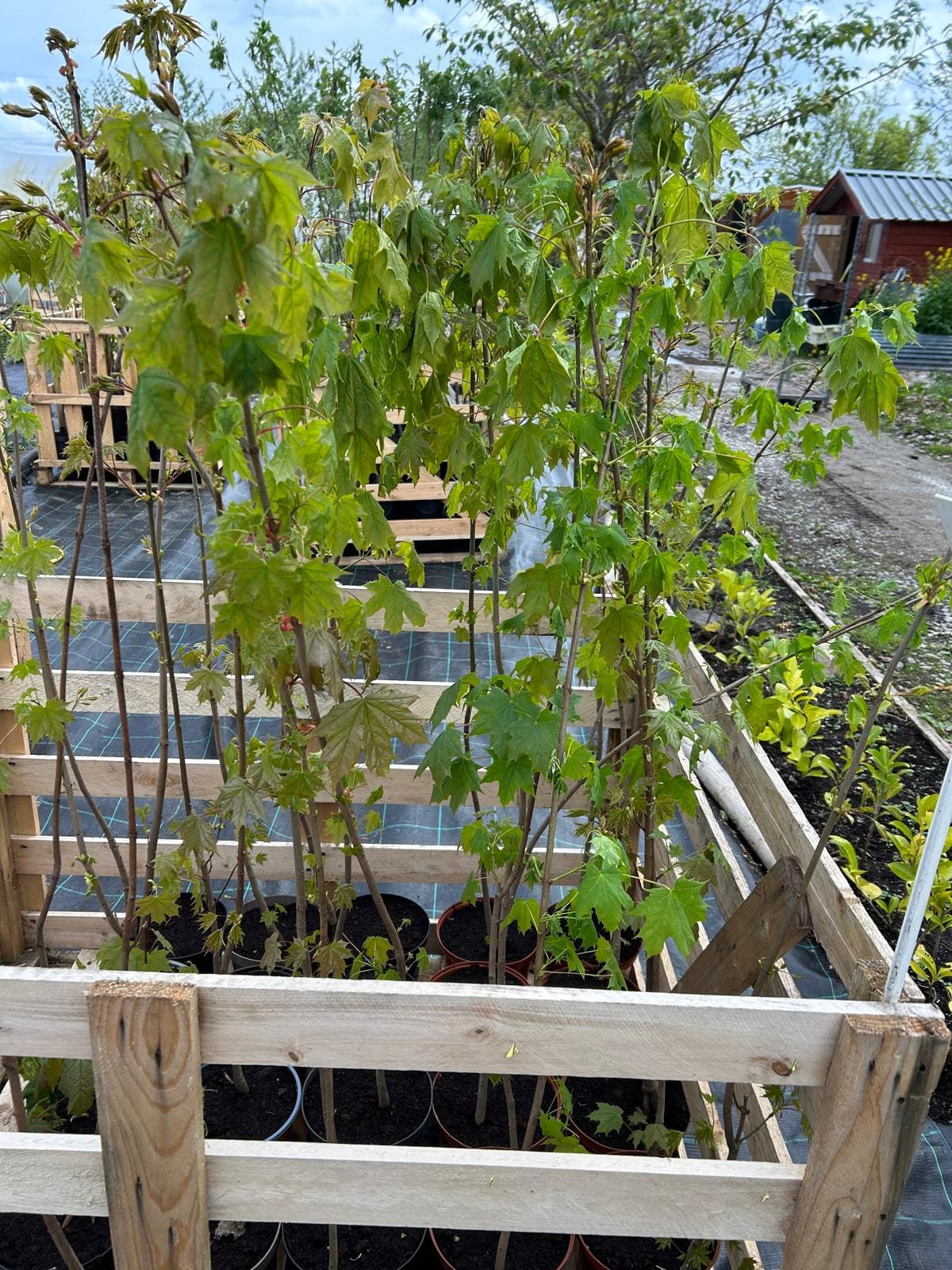
🌱 Delivery cost between 14 per box and 65 euro per pallet – Nation Wide Delivery with DPD.
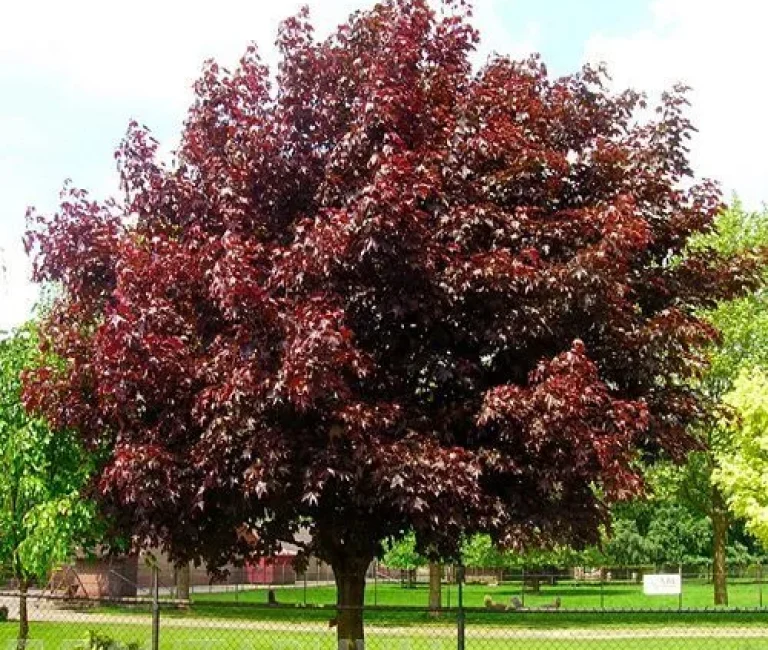
Height & Spread: A large tree reaching 20–30 meters in height with a wide, rounded crown
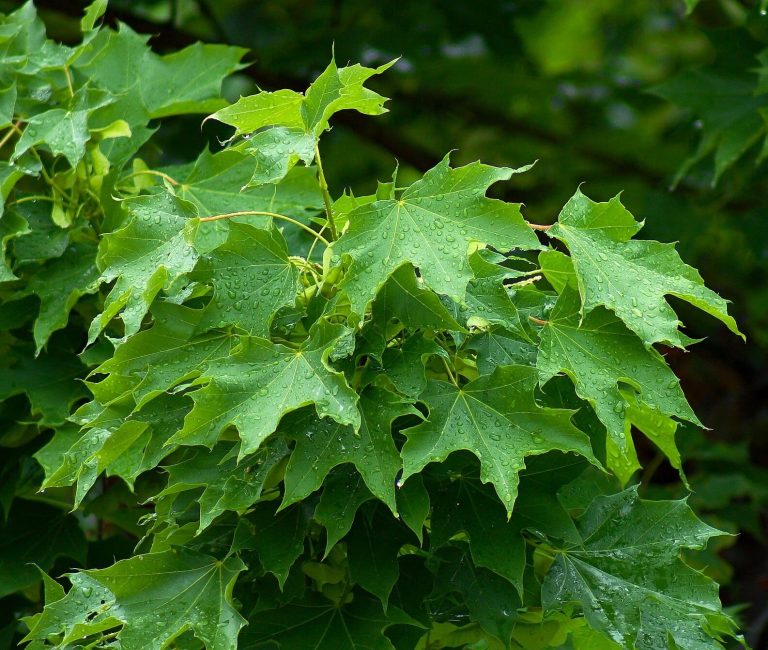
Foliage: Broad, five-lobed leaves that resemble those of the sycamore; bright green in summer, turning golden yellow in autumn
Flowers: Small, yellow-green flowers appear in early spring, often before the leaves emerge
Fruit: Produces winged samaras (helicopter seeds) in pairs, spreading out at nearly 180 degrees
Growth Habit: Fast-growing, broad-canopied shade tree
Bark: Grey-brown, smooth in youth, becoming fissured with age
€10.00
57 in stock
100-120cm
60-70cm per year
Stand Alone
Common Name: Norway MapleFamily: SapindaceaeType: Deciduous treeOrigin: Native to Europe and western Asia
Urban & Street Tree: Commonly planted in cities and parks due to its pollution tolerance
Shade Tree: Ideal for large gardens and open spaces where dense shade is desired
Autumn Foliage Interest: Adds bold autumn color to landscapes
Windbreak & Shelterbelt: Effective for screening and wind protection in open areas
Reclamation & Erosion Control: Useful for restoration planting on disturbed sites
Prefers full sun but tolerates partial shade
Adapts to a variety of soil types including clay, loam, and sandy soils
Tolerates urban soils, compaction, and mild drought
Best in well-drained, moderately fertile soils
Water regularly during establishment (first 1–2 years)
Once established, it is relatively drought-tolerant
Prune in late winter or early spring before sap rises
Remove crossing or weak branches to maintain a strong structure
Extremely hardy
Tolerates cold, wind, and urban conditions well
Out of stock
38 in stock
It looks like you haven't added any items to your cart yet.
 Your Cart is Empty!