Acer platanoides
Overview: Acer platanoides, commonly known as the Norway Maple, is a deciduous tree celebrated for its vibrant foliage, adaptability, and versatility in landscaping. Native to Europe and western Asia, this medium to large-sized tree is widely cultivated for its ornamental beauty, particularly its broad canopy, dense shade, and stunning autumn colors.
Key Characteristics of Acer platanoides:
Growth Habit:
-
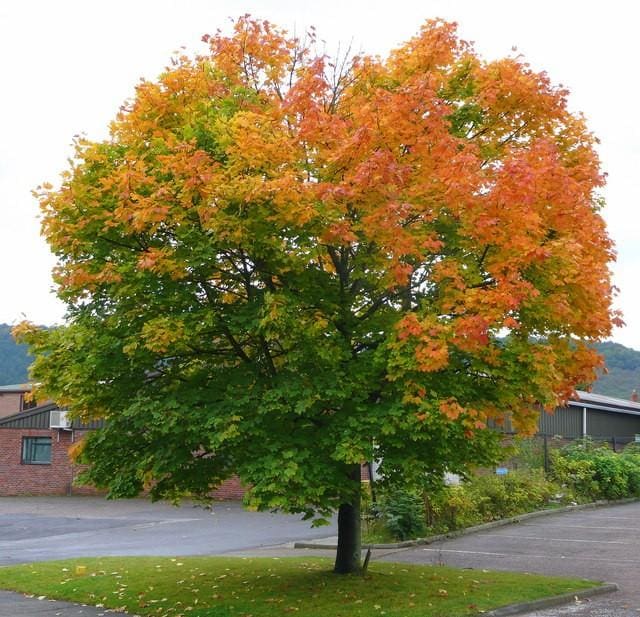
- Size and Spread: Reaches a mature height of 12-18 meters (40-60 feet) with a spread of 12-15 meters (40-50 feet). The tree develops a broad, rounded canopy that provides ample shade.
- Growth Rate: Moderate to fast-growing, with an annual growth rate of 30-60 cm (12-24 inches).
- Form: Symmetrical and uniform growth, making it suitable for urban and park landscapes.
Foliage:
-
- Type: Deciduous.
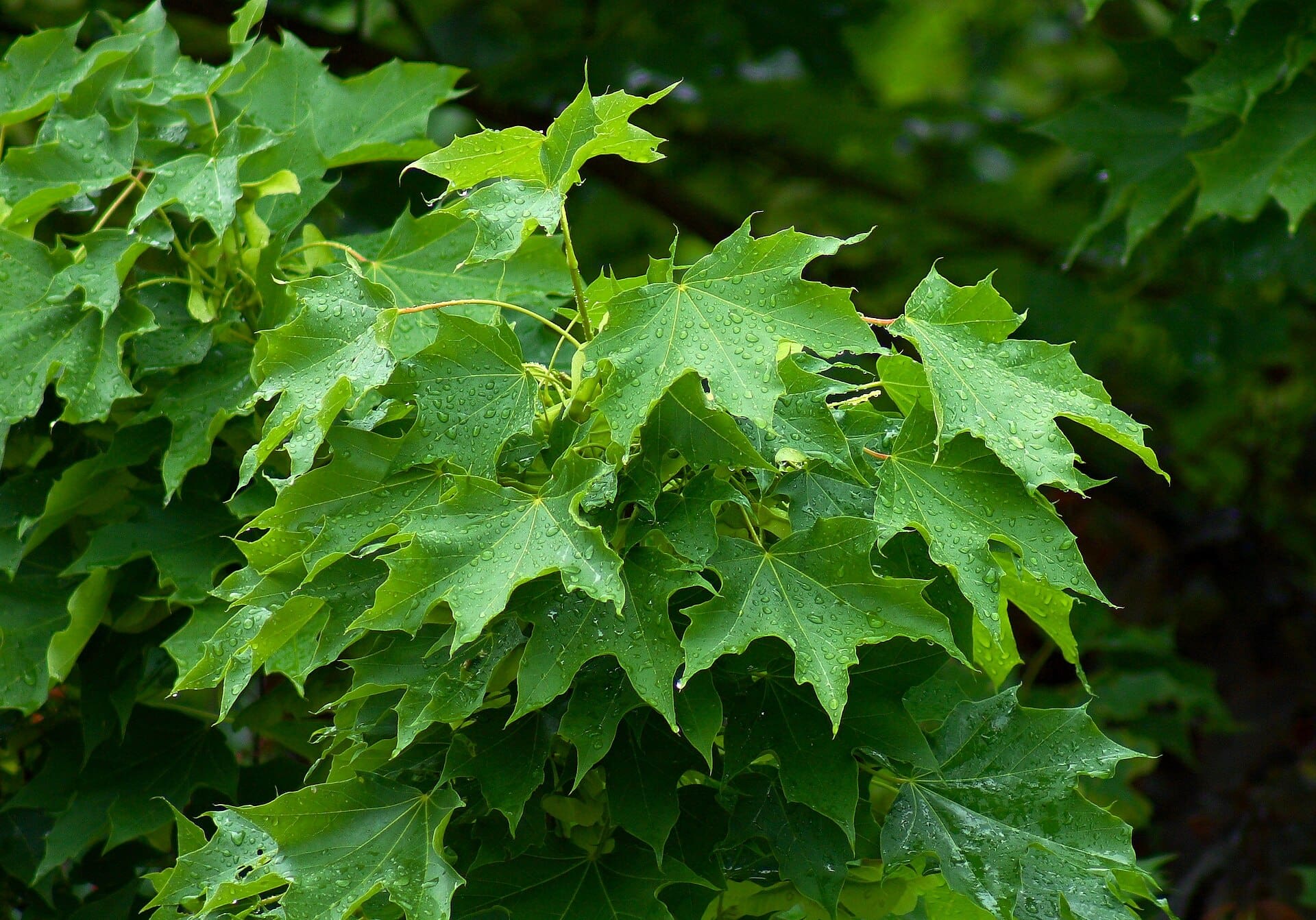
- Leaves: Large, palmate leaves with five lobes, typically 10-20 cm (4-8 inches) across. The foliage emerges bright green in spring and matures to dark green in summer.
- Autumn Interest: Stunning golden-yellow and orange hues in the fall, adding seasonal beauty to any landscape.
Flowers and Fruit:
-
- Flowers: Clusters of small, yellow-green flowers bloom in early spring before the leaves fully emerge. The flowers are mildly fragrant and attract pollinators.
- Fruit: Produces distinctive winged samaras (keys) that are 3-5 cm (1-2 inches) long, ripening in late summer and dispersing in the wind.
Bark and Branches:
-
- Bark: Smooth and gray-brown on young trees, becoming ridged and furrowed with age.
- Branches: Strong and sturdy, creating a robust structure.
Sunlight and Soil Requirements:
-
- Light: Thrives in full sun but tolerates partial shade. Prefers sunny locations for optimal growth.
- Soil: Adaptable to a variety of soil types, including clay, loam, and sandy soils. Prefers well-drained soils but tolerates occasional wet or dry conditions.
Hardiness and Climate:
-
- Hardiness Zones: Suitable for USDA zones 4-7, making it tolerant of cold winters and a range of climates.
- Drought Tolerance: Moderately drought-tolerant once established.
- Pollution Tolerance: Highly tolerant of urban pollution, making it an excellent street tree.
Maintenance and Care:
-
- Pruning: Minimal pruning is required, but formative pruning can be done in winter to maintain shape and remove dead or damaged branches.
- Watering: Requires regular watering when young. Once established, it is low-maintenance.
- Fertilizing: Benefits from an annual application of a balanced fertilizer in spring.
Pests and Diseases:
-
- Pests: Can be affected by aphids, leafhoppers, or scale insects.
- Diseases: Susceptible to tar spot and verticillium wilt, though these rarely threaten the tree’s overall health.
Landscape Uses:
-
- Shade Tree: Its large canopy provides excellent shade for parks, gardens, and streets.
- Urban Landscaping: Popular as a street tree due to its pollution tolerance and low maintenance needs.
- Specimen Planting: A standout choice for adding visual interest to large landscapes.
- Windbreaks: Suitable for windbreaks and shelterbelts in rural areas.
Conclusion: Acer platanoides is a versatile and reliable tree that combines striking seasonal beauty with durability and adaptability. Its vibrant foliage, robust structure, and ability to thrive in various conditions make it a top choice for urban and rural landscapes. Whether planted as a shade tree, a street tree, or a focal point in a garden, the Norway Maple will surely enhance any setting.