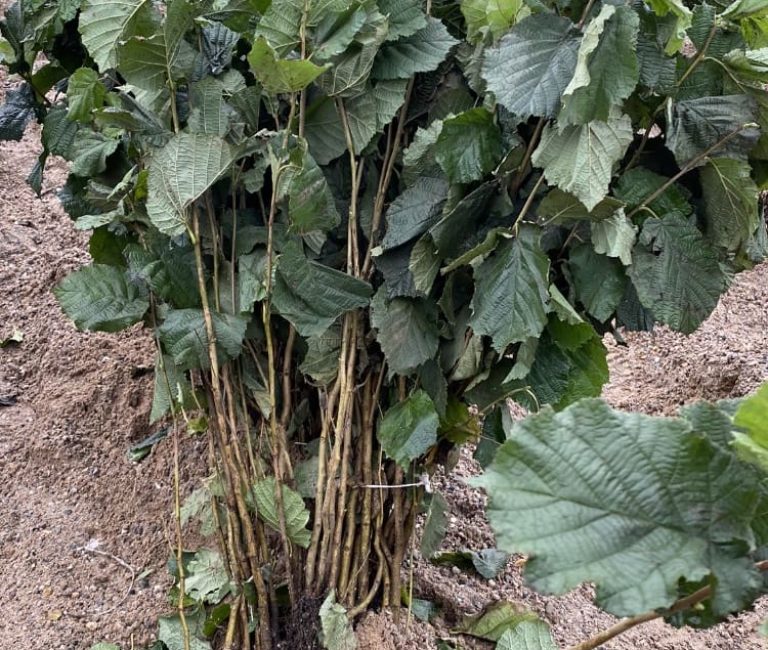
Prunus Avium Bareroot Tree: Adding Wild Cherry Beauty to Your Garden,
Commonly known as sweet cherry or wild cherry, is a deciduous tree that produces delicious and juicy cherries. It is native to Europe and western Asia and is cultivated for its tasty fruits and ornamental qualities. Here’s a description, information on its usage, and care guidelines:
Features and Grace of Prunus Avium Bareroot Trees:
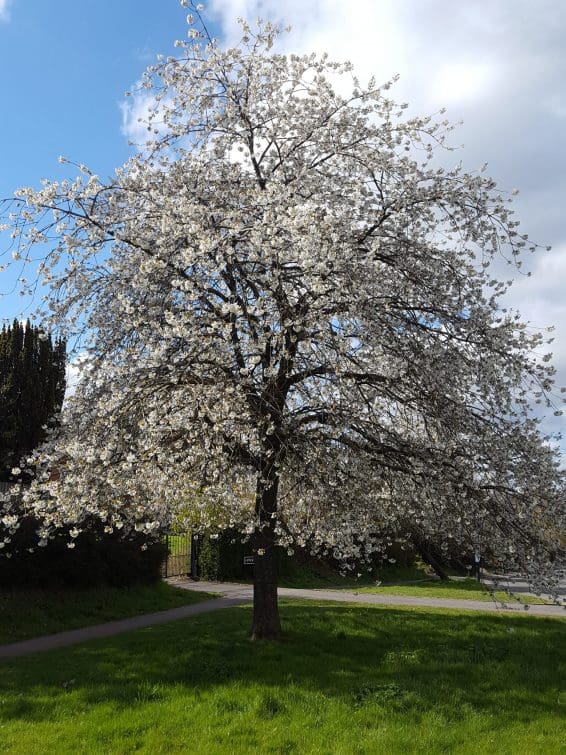
Appearance: Prunus avium is a medium-sized tree that can reach heights of 15-30 meters (50-100 feet). It has a broad, rounded canopy and a relatively short trunk.
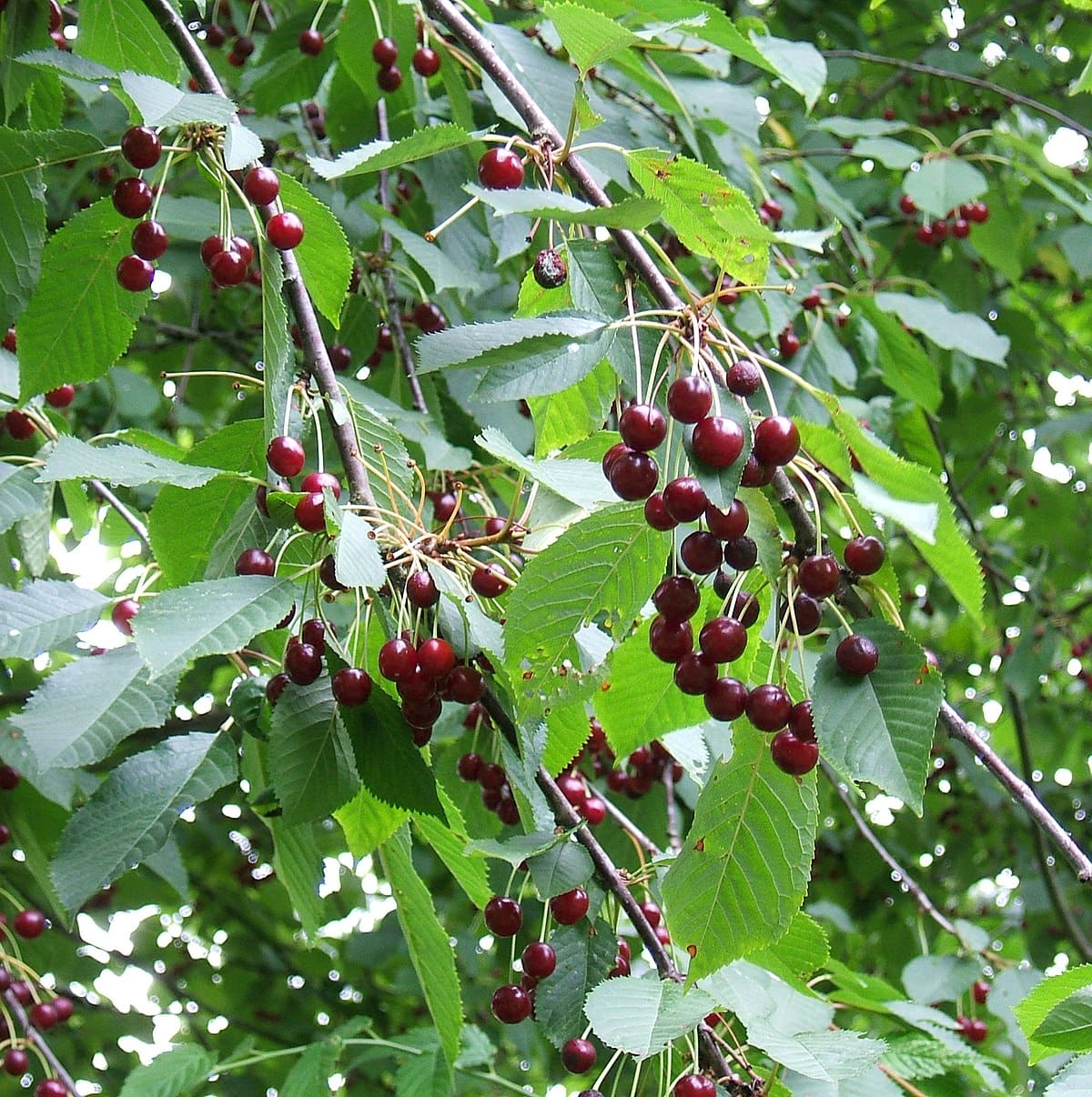
Leaves: The leaves are oval, serrated, and glossy green, creating an attractive foliage canopy.
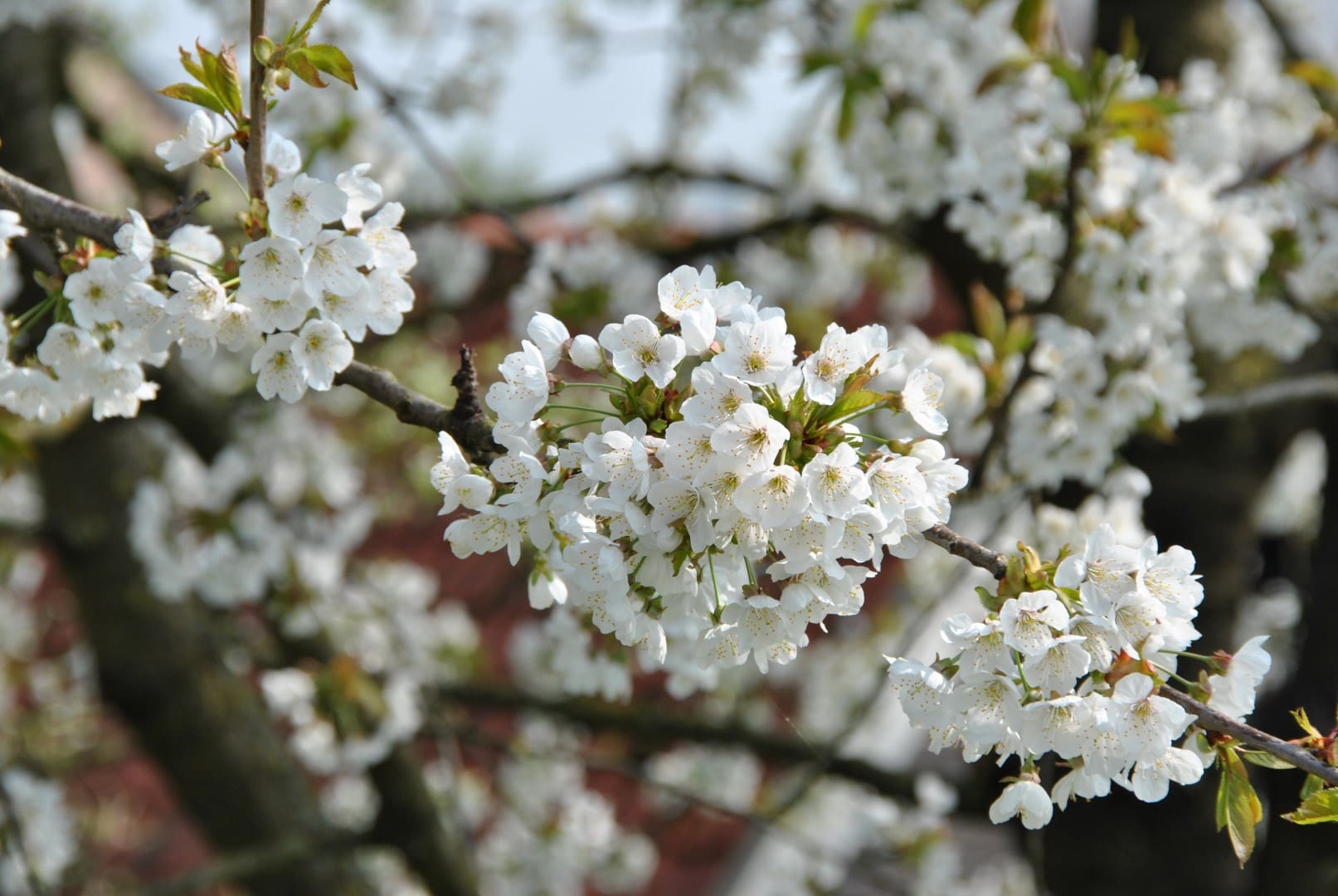
Flowers: Sweet cherry trees produce clusters of small white flowers in spring. These flowers are a valuable nectar source for pollinators.
Fruits: The fruits are cherries, ranging in color from yellow to deep red when ripe. They are juicy and sweet, making them a sought-after fruit for fresh consumption and various culinary uses.
Habitat: Sweet cherry trees are often cultivated in gardens, orchards, and even as ornamental trees in urban landscapes.
Usage Prunus Avium (Wild Cherry) Bareroot Trees:
Edible Fruits: The primary use of Prunus avium is for its delicious cherries, which can be eaten fresh, used in baking, jams, preserves, and other culinary applications.
Ornamental Plant: Beyond its fruit, sweet cherry trees are appreciated for their ornamental value. They produce beautiful blossoms in spring and can enhance the aesthetic appeal of a landscape.
Wildlife Attraction: The flowers attract pollinators like bees, while the cherries provide a food source for birds and other wildlife.
Woodworking: The wood of sweet cherry trees is highly valued in woodworking due to its fine grain and reddish-brown color.
Essential Care Guidelines for Flourishing Prunus Avium Trees:
Planting: Choose a sunny location with well-draining soil. Proper spacing is crucial for the tree’s growth and proper air circulation.
Watering: Newly planted trees require regular watering to establish their root system. Once established, they are relatively drought-tolerant.
Mulching: Apply a layer of organic mulch around the base of the tree to retain moisture, regulate soil temperature, and suppress weeds.
Pruning: Prune sweet cherry trees to promote good air circulation, remove dead or diseased branches, and shape the tree. Pruning can also improve fruit production.
Fertilization: Apply a balanced fertilizer in the spring to provide essential nutrients. Consult soil tests for specific recommendations.
Pest and Disease Management: Watch for pests like aphids and diseases like cherry leaf spot. Regular inspection and care can help prevent and manage issues.
Netting: If you want to protect the cherries from birds, consider using netting during the fruiting season.
Pollination: Some sweet cherry varieties may require cross-pollination, so it’s beneficial to plant more than one tree or choose self-pollinating varieties.
Delivery Times Ireland 3-5 working days